Bronze Modern Relics
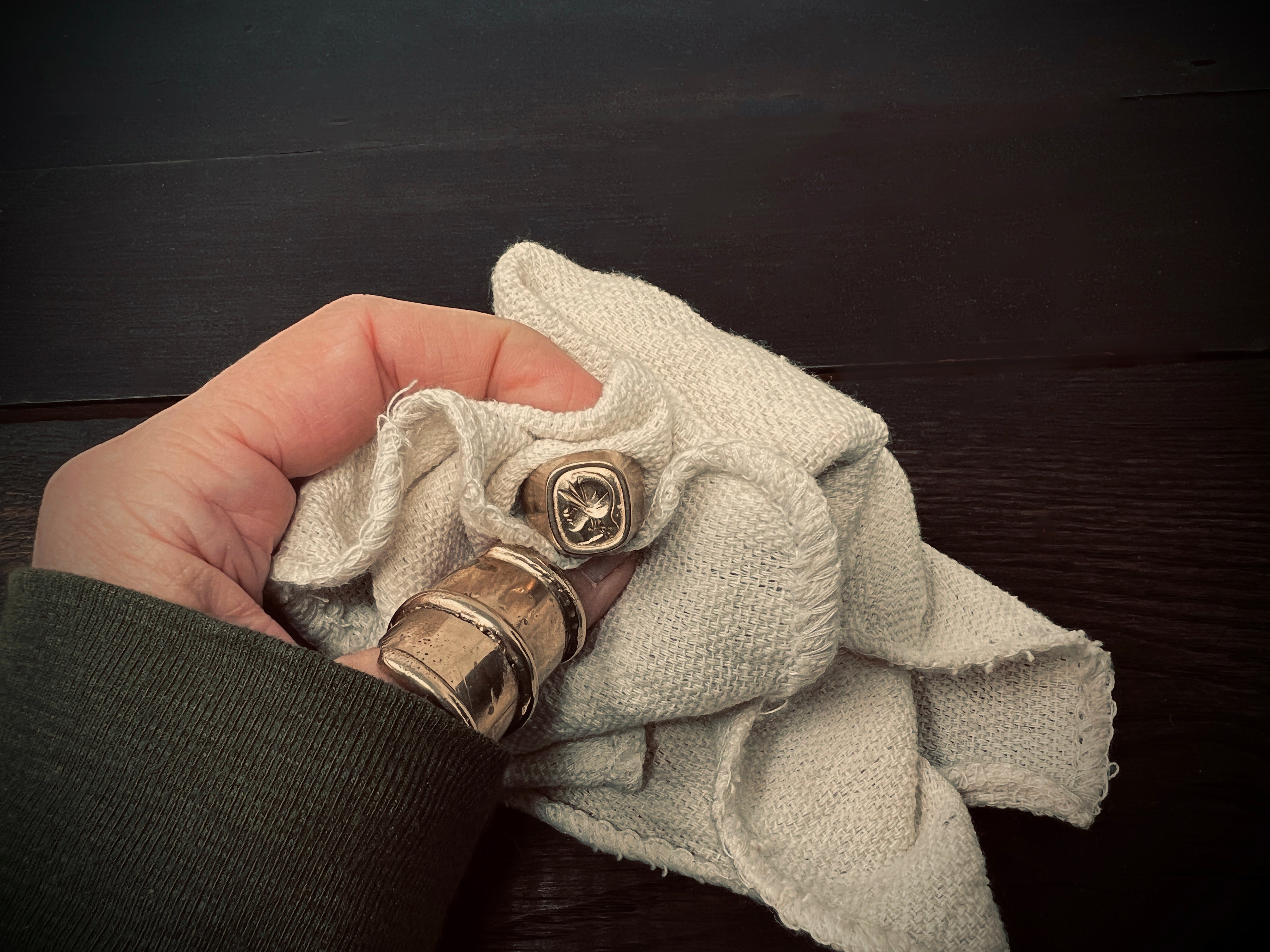
Bronze jewelry has been used for centuries in artifacts, coins, and metalwork due to its durability, warmth, and ability to develop natural patina. In modern artisan jewelry, bronze continues to be valued for how it changes over time, becoming more personal with wear. Rather than remaining static, bronze jewelry evolves—recording use, environment, and history in its surface.

Bronze: A Metal with Memory
Bronze is one of humanity’s oldest working metals—used long before gold became a symbol of wealth, and long before silver became polished and precious. It was the material of tools, weapons, relics, coins, and monuments. Bronze didn’t exist to impress. It existed to endure.
That lineage matters.
When I work in bronze, I’m not chasing perfection or shine. I’m working with a metal that has already lived many lives—one that darkens, warms, scars, and deepens over time. Bronze remembers where it’s been.

A Material of Artifacts, Not Trends
Historically, bronze was used for coins, seals, medals, devotional objects, architectural details, and ceremonial tools.
These were not disposable objects. They were meant to last—often longer than the people who made them.
That history informs how I design.
Bronze allows forms to feel grounded and intentional. Edges can remain imperfect. Surfaces can stay raw. Marks of the hand aren’t hidden—they’re honored.
This is why bronze feels at home in relics.

Why I Choose Bronze
Bronze carries a physical and emotional weight that modern metals often lack. It feels grounded. Ancient. Honest.
Unlike highly polished precious metals, bronze doesn’t ask to be protected from the world—it invites interaction. It responds to skin, air, friction, and time. It develops patina naturally, marking moments instead of erasing them.
I choose bronze because it aligns with how I see jewelry: not as decoration, but as presence. As quiet armor. As something meant to be worn daily, not saved.

Patina as Proof of Life
Bronze evolves.
Exposure to air, skin oils, humidity, and movement slowly darkens the surface, creating a patina unique to the wearer. No two pieces age the same. Some deepen into warm browns and blacks. Others take on subtle green undertones, especially in coastal or humid environments.
This is not damage.
This is dialogue.
Patina is the record of time spent living. It’s proof that the piece has been worn, carried, trusted.

Wearing Bronze Today
Modern life moves fast. Objects cycle in and out. Trends expire.
Bronze resists that rhythm.
A bronze piece doesn’t look “new” for long—and that’s exactly the point. It integrates into your life instead of sitting on top of it. It becomes familiar. Personal. Worn in the best sense of the word.
Bronze is for people who value presence over polish.
Substance over shine. Meaning over perfection.

Why Bronze Endures: Patina, History, and Modern Relics

Bronze is highly durable and well-suited for everyday wear. It has been used historically for tools, architectural elements, coins, and ceremonial objects—items meant to withstand frequent handling and time.
In jewelry, bronze supports substantial forms without feeling fragile. It allows for statement pieces that feel intentional and enduring, rather than delicate or temporary.

Caring for Bronze (or Not)
Bronze requires very little care. Many wearers choose to let patina develop naturally. If brightness is ever desired, gentle polishing can restore warmth—but it’s always temporary. Bronze will age again, as it should.
There is no wrong way to wear it.

Why Bronze Belongs in Relicsmith
Relics are not meant to look untouched.
They’re meant to look carried.
Bronze supports that philosophy better than almost any material. It doesn’t pretend to be eternal—it proves it through wear.
Every bronze piece begins unfinished in a way.
The wearer completes it.

Bronze Jewelry and Natural Patina
One of bronze’s defining characteristics is its ability to develop patina. Patina forms naturally through exposure to air, moisture, and skin oils, slowly changing the surface color of the metal. This process is not a flaw—it is a feature.
Each bronze piece ages differently depending on how it is worn, making no two pieces exactly alike. Over time, bronze jewelry becomes a record of use, reflecting the environment and life of its wearer.

Bronze Jewelry: A Metal Shaped by Time, Wear, and Meaning

What Is Bronze and Why It Matters
Bronze is an alloy traditionally made from copper and tin, valued for its strength, workability, and longevity. Long before precious metals were associated with luxury, bronze was the material of survival, trade, and ceremony. Its use spans cultures and centuries, making it one of the most historically significant metals still used in jewelry today.
In contemporary artisan jewelry, bronze offers a balance between durability and expression. It holds form well, allows for bold silhouettes, and develops surface character through wear rather than losing value over time.

Bronze and Patina: Jewelry That Evolves with the Wearer

The Meaning of Bronze in Modern Artisan Jewelry

Why Artisan Jewelers Choose Bronze
Many artisan jewelers are drawn to bronze for its warmth, depth, and historical resonance. Unlike trend-driven materials, bronze carries an inherent sense of age and authenticity.
Its responsiveness to hand-finishing, texture, and wear makes it ideal for jewelry that values process over perfection. Bronze reveals how something was made—and how it has been worn.

Bronze jewelry has been used for centuries due to its durability, warmth, and ability to develop natural patina. Unlike highly polished metals, bronze jewelry changes over time, creating a surface that reflects wear and use. This makes bronze ideal for artisan jewelry, statement pieces, and modern relics meant to be worn daily.
Patina in bronze jewelry forms naturally through exposure to air, moisture, and skin contact. This aging process gives each piece a unique appearance, making bronze jewelry personal and distinctive. Many contemporary jewelers choose bronze for its connection to history and its evolving character.

Why Bronze Ages Differently Than Sterling Silver
Sterling silver is designed to be polished and restored to a bright finish. Bronze behaves differently. It darkens, deepens, and softens visually, gaining complexity rather than clarity.
For jewelry intended to feel grounded, historical, or talismanic, bronze offers a sense of permanence and presence. Its aging process reinforces the idea that wear adds value rather than diminishing it.

Frequently Asked Questions About Bronze Jewelry
Is bronze jewelry good for everyday wear?
Bronze jewelry is highly durable and has been used historically for tools, coins, and architectural elements. It is well suited for everyday wear and becomes more character-rich over time.
Does bronze jewelry tarnish or patina?
Bronze develops natural patina as it reacts with air, moisture, and skin oils. This process darkens the metal and adds depth rather than damaging the piece.
How do you care for bronze jewelry?
Bronze jewelry requires minimal care. Some wearers allow patina to develop naturally, while others occasionally polish the surface to restore warmth.
Why choose bronze instead of sterling silver?
Unlike sterling silver, which is often polished to maintain brightness, bronze embraces aging and wear. Many people prefer bronze jewelry for its depth, warmth, and evolving surface.